

Understanding What Gambling Sites Are Not
Exploring What Gambling Sites Are Not
The world of online gambling has grown exponentially in recent years, leading to the emergence of various types of gambling platforms. However, understanding what constitutes a gambling site can be a bit more complicated than it seems. In this article, we will delve into the features that define gambling sites and highlight the characteristics of those that cannot be classified as such. A noteworthy example of a site that does not follow the common rules is a what gambling sites are not on GamStop non GamStop UK casino.
To begin, let’s clarify the defining features of traditional gambling sites. Typically, these platforms allow users to participate in games of chance, where outcomes are predominantly determined by random factors. Conventional examples include casinos that offer slot machines, poker, roulette, and various other games that require monetary stakes.
However, not all websites that offer gambling-related activities fit neatly into this classification. The first type of site that does not conventionally fit the gambling mold is online lotteries. Although they involve the element of chance, lottery websites often lack the interactive gaming atmosphere associated with traditional casinos. Instead, they usually rely on ticket purchases and draw systems that are conducted at set intervals.
Another category often confused with gambling sites is income-generating online games, such as skill-based games. These games require a higher level of player involvement and decision-making, and outcomes can significantly depend on the player’s skill rather than pure chance. For instance, platforms that host games like chess or trivia quizzes may offer cash prizes but do not represent typical gambling sites.
Additionally, platforms involved in online betting often boast features that categorize them as gambling sites; however, some don’t. For example, exchange-based betting websites allow users to bet against one another instead of betting against a house or casino. These platforms primarily facilitate connections between users and often feel less like conventional gambling environments.
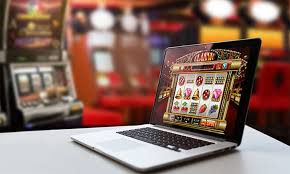
From another perspective, ‘free play’ online casinos have emerged, which allow users to engage with games without risking real money. These sites can be beneficial for individuals who wish to try out new games or enhance their skills without any financial involvement. Though they provide experience similar to that of a gambling site, they lack the financial risk element, setting them apart.
Social gaming platforms also portray an interesting side of what gambling sites are not. These platforms allow users to enjoy gaming experiences with friends and family while incorporating virtual currencies. Although some titles might offer the potential to win prizes, the primary objective is social interaction instead of monetary gain, distinguishing them from traditional gambling experiences.
Furthermore, certain sites promote gaming for charity, where participants can engage in activities that may resemble gambling but ultimately drive fundraising efforts. These philanthropic missions may not adhere to gambling regulations as their primary aim is to support causes rather than generate personal profit.
Moreover, the legality of gambling varies widely across jurisdictions, influencing the categorization of online gambling platforms. Some jurisdictions might classify certain types of activities as gambling while others do not. For instance, a site offering skill-based games might be regulated as a gambling site in one country while considered a legitimate gaming enterprise in another.
It is essential to note that the distinction between gambling sites and non-gambling sites often comes down to regulation, user expectations, and financial stakes. A common trait among sites that do not fit the gambling mold is their focus on user engagement, education, or entertainment rather than profit generation through gaming.

Additionally, technology plays a significant role in shaping the distinctions between gambling and non-gambling sites. The rise of blockchain technology and decentralized finance has given birth to platforms that enable users to engage in gaming without the typical regulations associated with gambling. These decentralized applications (dApps) may present challenges in classification as traditional gambling sites.
Furthermore, as awareness of responsible gaming increases, some sites may emphasize self-regulation and player protection. Sites that prioritize education and awareness about safe gaming practices may still offer games of chance but strive to create a healthier environment than traditional gambling venues. This approach helps distinguish them from sites that solely focus on profit maximization without considering the potential implications on users.
Also, developments in the gaming market have paved the way for hybrid platforms, blending various elements of gaming and gambling. These platforms may integrate social features, skill-based competitions, or even educational modules. However, their diverse offerings can complicate classification as they might incorporate elements of gambling without being strictly categorized as such.
As we navigate this intricate landscape of online platforms, it becomes increasingly clear that determination of what constitutes a gambling site is often nuanced. Factors such as user intent, regulatory frameworks, and product offerings play critical roles in shaping perceptions of these platforms.
In conclusion, while gambling sites are often characterized by elements of chance and user betting against a house, many platforms do not fit this mold. Online lotteries, skill-based games, social gaming platforms, and sites focused on philanthropy show that the world of gaming and gambling is diverse. Understanding these distinctions is not only crucial for consumers navigating this landscape but also for regulators seeking to implement appropriate measures. As technology and user engagement evolve, so too does the classification of what constitutes a gambling site, making this a dynamic field requiring attention and awareness.