

Closing Entries: Step by Step Guide

Your car, electronics, and furniture did not suddenly lose all their value, and unfortunately, you still have outstanding debt. Therefore, these accounts closing entries still have a balance in the new year, because they are not closed, and the balances are carried forward from December 31 to January 1 to start the new annual accounting period. Temporary accounts, as mentioned above, including revenues, expenses, dividends or (withdrawal) accounts.
- This process combines all temporary accounts into the retained earnings account.
- It’s important to carefully follow each step of the closing process in order to properly close the books at the end of an accounting period.
- They provide auditors and stakeholders with a clear trail of the company’s financial activities and confirm that you’re playing by the rules, from the IRS to the SEC and the GAAP standards.
- Solutions like Solvexia can transform days of manual closing work into an efficient, accurate process that takes just hours to complete.
- The income statement, or profit and loss account, displays revenues and expenses over a specific period.
- Permanent accounts, also known as real accounts, do not require closing entries.
Accounting for Sales Discounts on Income Statement

We can also see that the debit equals credit; hence, it adheres to the accounting principle of double-entry accounting. Since dividend and withdrawal accounts are not income statement accounts, they do not typically use the income summary account. These accounts are closed directly to retained earnings by recording a credit to the dividend account and a debit to retained earnings. Closing all temporary accounts to the retained earnings account is faster than using the income summary account method because it saves Accounting for Technology Companies a step. There is no need to close temporary accounts to another temporary account (income summary account) in order to then close that again.
Starting with Income and Expenses: The Role of the Income Summary Account
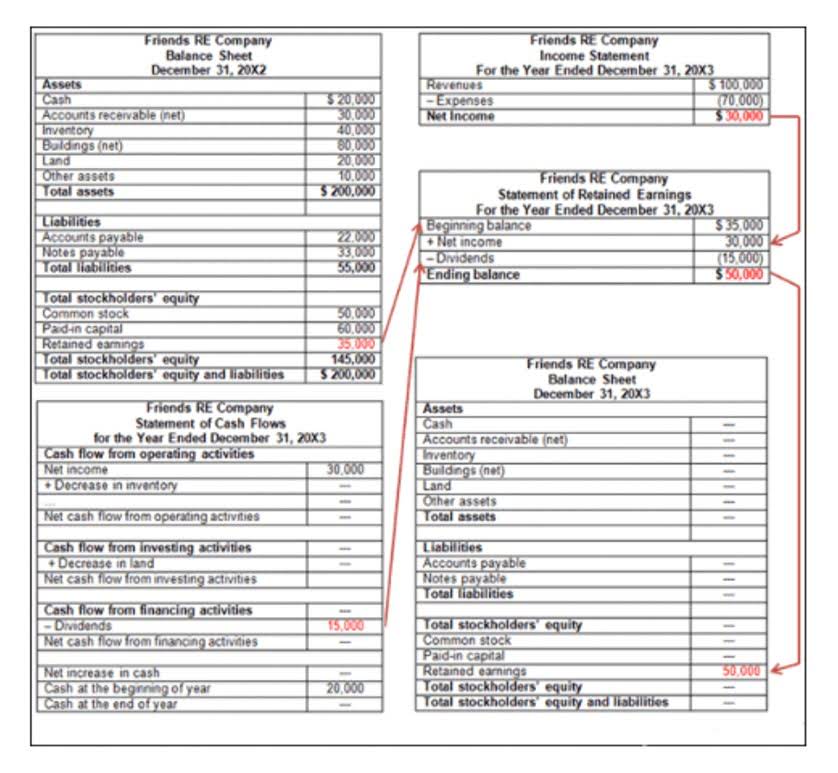
Then, credit the income summary account with the total revenue amount from all revenue accounts. For example, closing an income summary involves transferring its balance to retained earnings. This crucial step ensures that financial records are accurate and up-to-date for the next period, making it easier to track the company’s performance over time. Although it is not an income statement account, the dividend account is also a temporary account and needs a closing journal entry to zero the balance for the next accounting period.
- This is done by transferring the total revenue earned during the period into the Income Summary account, which temporarily holds all income before calculating net results.
- Closing entries are a fundamental part of accounting, essential for resetting temporary accounts and ensuring accurate financial records for the next period.
- Now that the journal entries are prepared and posted, you are almost ready to start next year.
- Temporary account balances can be shifted directly to the retained earnings account or an intermediate account known as the income summary account.
- If the subsidiaries also use their own subledgers, then their subledgers must be closed out before the results of the subsidiaries can be transferred to the books of the parent company.
- They are collected in separate accounts because information about individual revenue and expense items is of great interest to management.
Overview of the Accounting Cycle

The same principle applies to closing entries, which are made by recording two transactions that cancel each other out or add up to zero. One of these transactions will be recorded in a temporary account, and the other will be recorded in a permanent account. Temporary accounts include such transactions as revenue, expenses, and dividends, all of which affect the profitability of a business only in the period in which they are reported. They will be zeroed out, and the accounts closed, at the end of the period. This final trial balance is critical as it underpins the integrity of both the financial statements and unearned revenue the closing entries.
If dividends were not declared, closing entries would cease at this point. If dividends are declared, to get a zero balance in the Dividends account, the entry will show a credit to Dividends and a debit to Retained Earnings. As you will learn in Corporation Accounting, there are three components to the declaration and payment of dividends. The first part is the date of declaration, which creates the obligation or liability to pay the dividend. The second part is the date of record that determines who receives the dividends, and the third part is the date of payment, which is the date that payments are made.